independent concept · simulated project · not affiliated with or endorsed by Southbase — prepared by assembl · photography from southbase.co.nz, used for this concept only
southbase × assembling · client journey for major projects

the client always
knows what happens next.

Between monthly PCG meetings, a school board or a Crown sponsor mostly waits and worries. Southbase already runs the build. Nobody sells them the client’s experience of it — a living, plain-language view of where the project is, what happens next, and what needs deciding. This page is that layer, working.

photography: southbase.co.nz
the win-work frame · why now

In December 2025 the Southbase/Built JV made Health NZ’s national panel for projects over $200m. Panel members compete consortium-against-consortium — and client experience and reporting are scored non-price attributes in Crown procurement. The build wins the job; the client’s view of the build wins the next one.

panel: BusinessDesk, Dec 2025 · group scale: $500m+ active, $2.2b delivered (southbase.co.nz — confirm before a room)
“No other consortium can show the Crown its project like this.”
the five-beat spine · a fortnight between PCG meetings

Play the fortnight.

A fictional school project — Te Awa Primary, stage 2 rebuild (invented, so no real job is borrowed). The left side is what the site produces. The right side is what the client sees — in their own language, per stakeholder. Switch the lens and watch the same fortnight change register.

Te Awa Primary · fictional · simulated fortnightmilestone → plain-language note → a decision with a deadline → logged → the proof pack
site event · day 2 captured on site

Milestone confirmed: block B roof structure complete — with photo evidence from the capture walk, not a sentence in a report.
Construction progress photographyevidence · capture walk · simulated
decision needed · day 5 client-side

Joinery colour lock. The framed choice — not a phone call: two options, each with its cost and time impact, and the date the programme needs an answer by.

programme needs this by day 9
Logged with who decided and when — the #1 cause of client-side delay, closed on time.
the smallest question · day 8 one tap

The one thing the contractor needs from the client this fortnight: confirm the site access window for the open day. Nothing else is asked.

the client’s view board chair

drafted · held for the pm to sign
decision logged day 6

Waiting on the joinery decision…

the proof pack · assembles itself for the pcg

Simulated. In the pilot this is the artefact: the month, assembled — dropped straight into the PCG report the client-side PM currently builds by hand.
the tender, tied to the bid · agentically

From the notice to the non-price attribute.

Crown tenders score more than price. When the RFP asks how the consortium will keep the client informed, the answer shouldn’t be written from scratch at 11pm — it should be assembled from the journey you already run. Press the button: the agent drafts the attribute response from this page’s own machinery, and it arrives as a draft, unsigned.

simulated notice · in the shape of a GETS RFP

Regional Learning Environments Programme — Stage 2

Request for Proposal · fictional · closes day 28

Respondents must demonstrate their approach to sponsor and stakeholder communication, decision management, and reporting across the delivery phase.

price · 60% non-price attributes · 40% incl. client experience & reporting
this notice is invented for the concept — the scoring shape is the real Crown pattern
the bid’s client-experience attribute
draft · unsigned

attribute response · drafted by the journey layer

assembled from this page’s journey · a person signs before anything is submitted
The attribute isn’t written for the bid. It’s running before the bid — and the bid just points at it.
the crew behind the glass · already built

Six agents. One client view.

The client sees one calm pane. Behind it, assembl’s HANGA construction crew — six agents that already exist in the assembl marketplace — each working its own regulated lane and feeding the journey. Wiring them to a Southbase project is the proposed pilot; the agents themselves are built.

KAUPAPA
programme & contract

Critical path, milestones, payment claims and variations — the programme truths the client view draws from.

Construction Contracts Act 2002
WHAKAAĒ
consenting & compliance

Building consent status, inspections, producer statements, CCC — the consent trail, traceable in plain language.

Building Act 2004
ĀRAI
site safety

Risk registers, incident and near-miss reporting, inductions — the safety record the sponsor can actually read.

Health and Safety at Work Act 2015
PAI
quality & handover

ITPs, hold points, defects, producer statements and the punch list — quality evidence as it accrues, not at the end.

AS/NZS ISO 9001
RAWA
resources & procurement

Materials, suppliers, site logistics and environmental controls — the supply story behind every milestone.

Resource Management Act 1991
ATA
BIM & coordination

Model coordination, clash status, as-built documentation — the digital twin the capture walk photographs land in.

ISO 19650 · NZ BIM Handbook
Nothing claimed that isn’t built: these six run today as assembl marketplace agents with their remits above. What this concept proposes is the wiring — read-only feeds from what Southbase already runs (Procore-class exports, capture walks) into one signed client view.
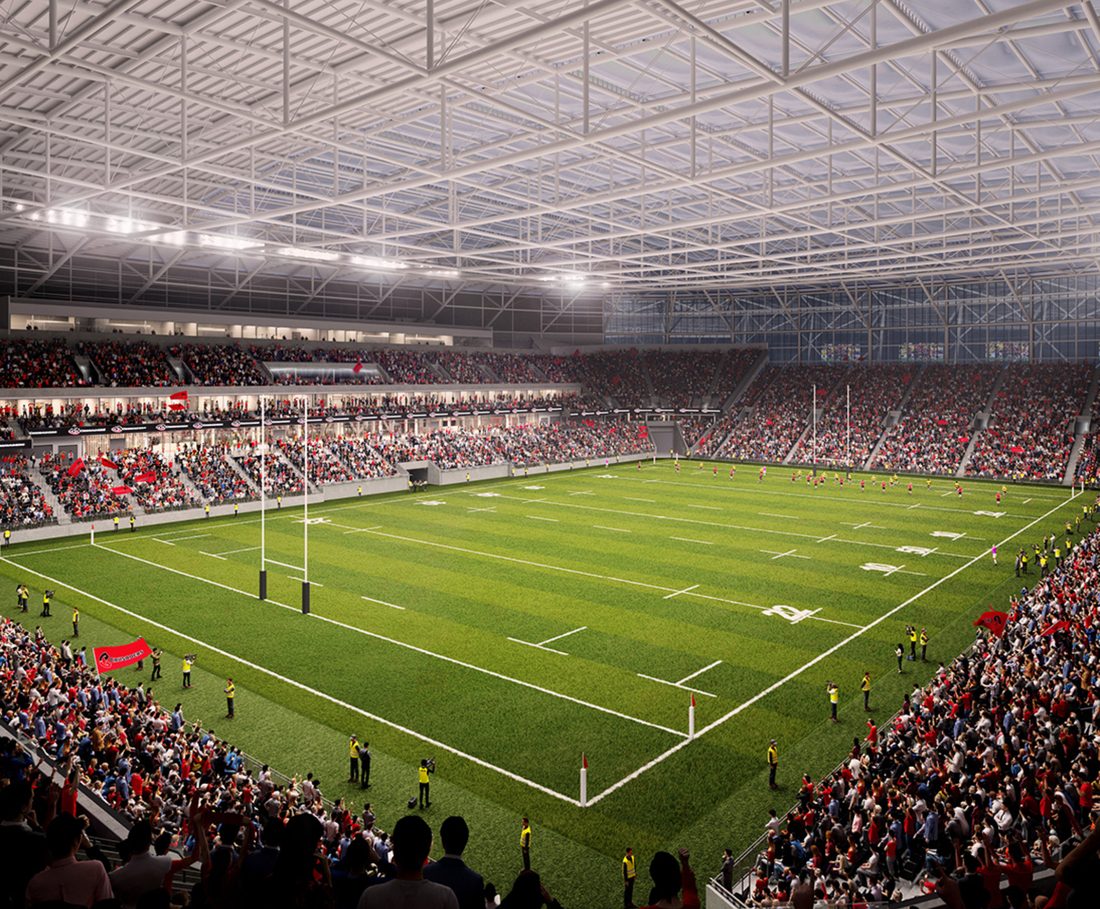
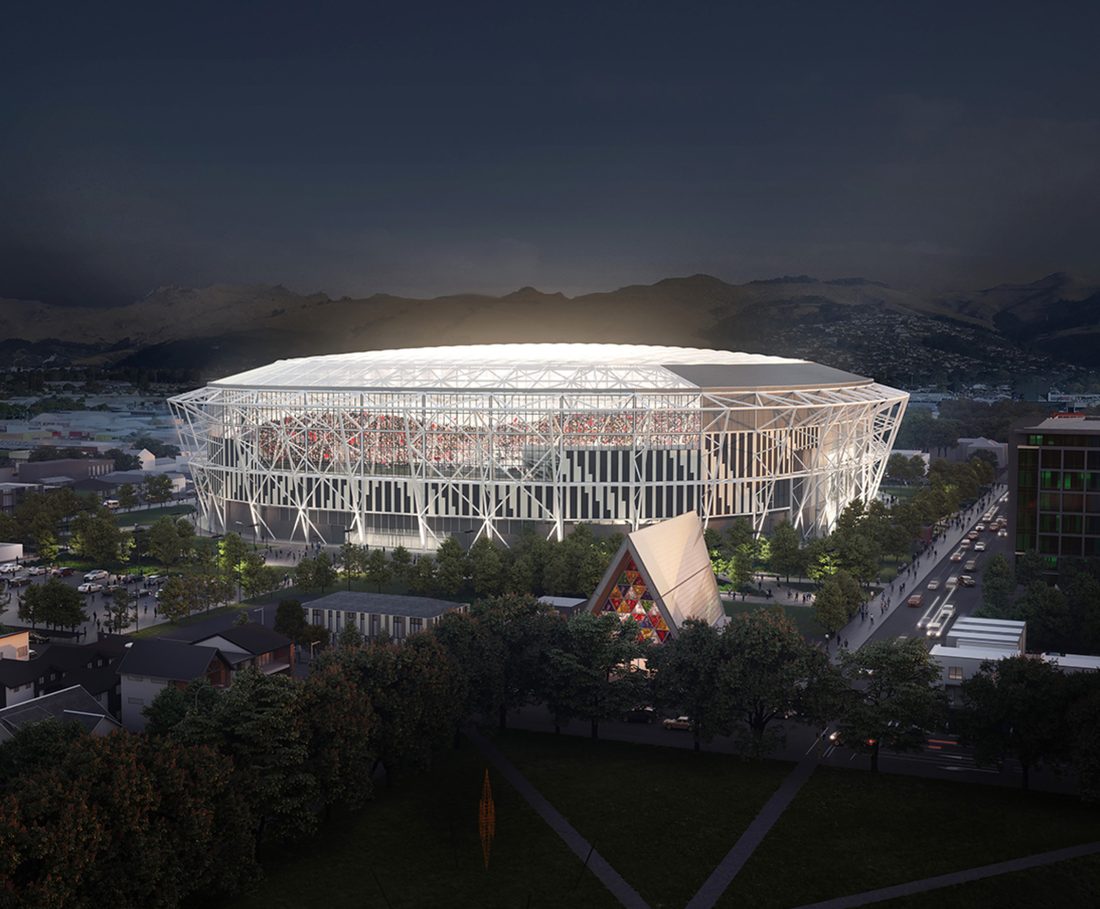
Te Kaha stadium under constructionTe Kaha · Ōtautahi
Te Rangihīroa College openingTe Rangihīroa · Ōtepoti
Southbase projectsouthbase group · photography: southbase.co.nz
the boundary panel · every rule real

What this journey refuses to do.

×Never certifies claims

Payment claims are certified by the QS and the engine of the contract — never by this layer. It reports certification; it does not perform it.

CCA 2002 · the QS’s job
×No consent advice

Consent status is reported from the record. What the council will decide, and how to satisfy a condition, stays with the council and the professionals.

Building Act 2004 · the council’s job
×No sub pricing to the client view

Commercially sensitive subcontractor pricing never crosses into the client pane. The client sees programme truth, not the commercial ledger.

confidentiality · by design
×Nothing sends unsigned

Every client note is drafted by the journey and signed by the PM. The draft is the speed; the signature is the trust.

held for a person
×No programme promises

It reports where the programme is — it never promises the client a date the contractor hasn’t committed to.

one source of truth
ask this concept · live

Ask how it works.

Kia ora — I’m this concept’s own agent. Ask how the client view works, what the crew does, what it refuses, or what a pilot needs.
the regulatory spine · CCA 2002

The Construction Contracts Act 2002 gives payment claims, certification and adjudication their statutory clock — the journey is traceable because the law already makes it so.

Every claim event, decision and consent status on the client view carries its timestamp and its author. The client sees the fortnight; the record satisfies the contract.

what a 90-day pilot would measure
client-decision latencyconversion metric
status-enquiry volumecost metric
sponsor effort scoreexperience metric
PCG-prep hours savedvalue metric

simulated journey · illustrative concept · the numbers above are the pilot’s to earn, not ours to claim

run the pilot · the acceptance

One project, one PCG cycle.

One live project, one full PCG cycle, instrumented against the current fortnight of silence. Read-only feeds from what already runs; every client note drafted by the journey and signed by your PM; the proof pack lands in the next PCG report. The numbers you quote afterwards are your own.

say go — email Kate directly reply if this is wrong forward it to the right person
What it asks of you: read-only exports from the tools you already run, one owner on your side, and a named PM to sign sends. Nothing installs in week one — and nothing touches the commercial ledger, ever.